inquiry
Leave A Message
If you are interested in our products and want to know more details,please leave a message here,we will reply you as soon as we can.
submit
Home

high rigidity grinding robot

high rigidity grinding robot

  • Human-Robot Collaboration: The Most Practical Path for Automated Grinding Today
    Human-Robot Collaboration: The Most Practical Path for Automated Grinding Today
    Dec 01, 2025
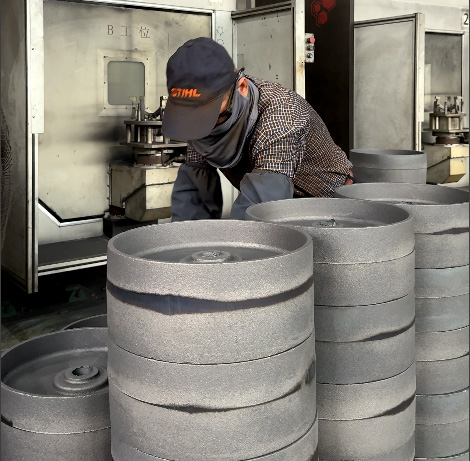
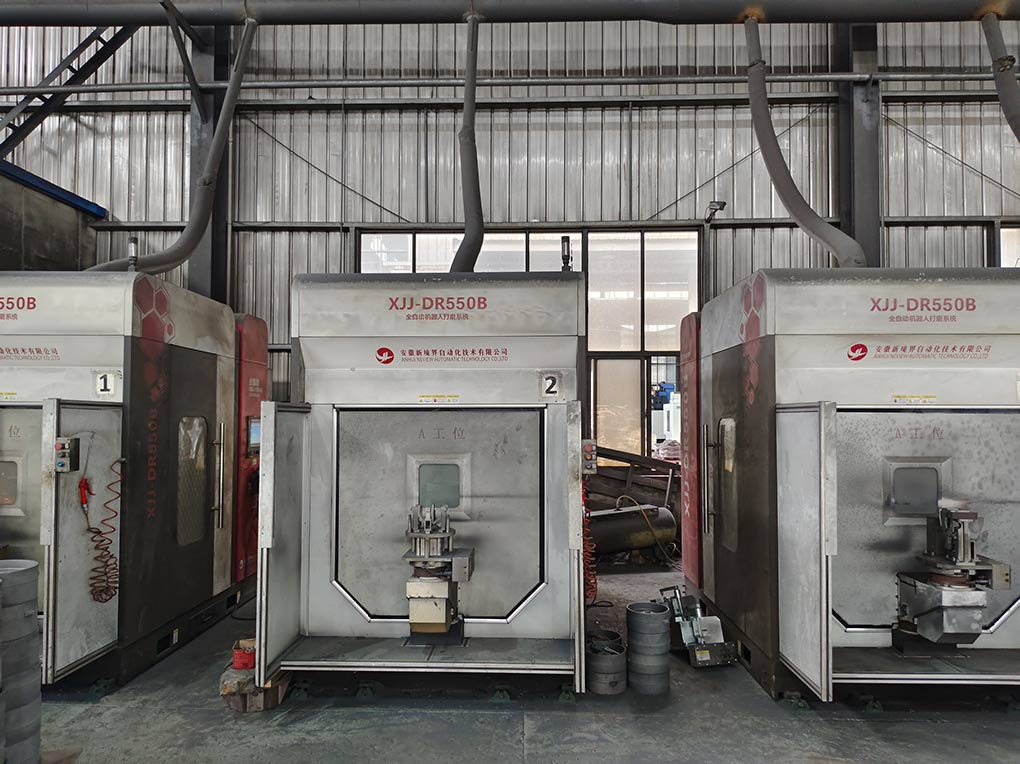
    Human-Robot Collaboration: The Most Practical Path for Automated Grinding Today Many customers ask, “Can we achieve fully unmanned grinding?” The reality is: full automation isn’t feasible yet. The most effective approach today is human-robot collaboration.  1.Why Is Full Automation Difficult?   Castings vary in deformation, batch differences, and irregular flash shapes. Robots excel at repetition, not judgment. 2.Human-Robot Collaboration Is More Efficient The optimal workflow: manual loading/unloading, NEVIEW robots handling the main grinding paths, and humans handling the few ultra-complex areas. 3.Robots Handle the Standardized 80% NEVIEW’s high-rigidity robotic arm and automatic path correction cover most standardized zones effectively.  4.Safety Benefits Are Underrated   Dust, noise, and vibration can harm workers. Robots isolate these hazards inside a fully enclosed safety cell. 5.More Predictable ROI   With faster deployment and lower risk, this model offers predictable ROI and is widely accepted in global factories. Real automation isn’t about replacing people — it’s about letting humans and robots each do what they do best. NEVIEW’s automation solutions are helping foundries worldwide achieve more stable and modern production.
    Read More
  • Why Is the Foundry Industry Rapidly Adopting Automated Grinding?
    Why Is the Foundry Industry Rapidly Adopting Automated Grinding?
    Nov 24, 2025
    Why Is the Foundry Industry Rapidly Adopting Automated Grinding? As global manufacturing continues to upgrade, automation in the foundry industry has become irreversible. Especially in aluminum die casting, automotive parts, and metal machining, factories are increasingly moving from manual grinding to robotic grinding and deburring. The reason is simple: modern competition no longer tolerates inconsistent, experience-based production. 1.Stability Is the New Competitive Edge Manual grinding often lacks consistency. Robots execute precise paths with constant force, ensuring predictable and stable part quality. 2.Labor Shortage Is a Global Issue Fewer workers are willing to engage in high-dust, high-noise, repetitive jobs. Automation reduces dependency on skilled labor and minimizes hiring pressure. 3.Complex Casting Requires Better Processes Deep cavities, angled surfaces, and complex geometries make manual work challenging. NEVIEW’s self-developed 4-axis grinding robot provides high rigidity and flexibility to address these difficulties. 4.Stricter Safety & Compliance Standards Regions such as the EU and North America enforce strict dust and safety regulations. Automated systems significantly reduce worker exposure to hazardous environments. Automated grinding is not about replacing workers—it’s about increasing competitiveness. NEVIEW will continue delivering reliable automation solutions to foundries worldwide.  
    Read More
  • Industrial Dust and Noise Control: Grinding Robots Empower Eco-Friendly Foundries
    Industrial Dust and Noise Control: Grinding Robots Empower Eco-Friendly Foundries
    Nov 12, 2025
      Dust and noise are long-standing challenges in foundries and die-casting factories, affecting worker health and productivity.Traditional manual grinding generates high dust emissions, loud noise, and safety risks. NEVIEW grinding robots feature enclosed cabins and high-efficiency suction systems, reducing dust by over 90% and lowering noise levels. Automation replaces risky manual work, improving workplace safety. Smart monitoring tracks grinding status, optimizes parameters, and records production data for traceability and management.This eco-friendly, intelligent, and efficient solution allows foundries to achieve both environmental and production goals.  
    Read More
  • ROI of NEVIEW GRINDING ROBOT
    ROI of NEVIEW GRINDING ROBOT
    Oct 23, 2025
    ROI of NEVIEW GRINDING ROBOT   One key question many companies ask: How long does it take for a grinding robot to pay for itself? The answer: usually less than two years. Investment Benefits Labor Savings – One robot can replace 3–5 workers Lower Scrap Rate – Reduced human error, improved yield Higher Productivity – Efficiency increased by 2–3 times Hidden Cost Savings – Fewer accidents and downtime losses Case Reference Some customers report that after deploying NEVIEW GRINDING ROBOT, production costs dropped by 20–30% on average, while order delivery capacity significantly increased. Conclusion An investment in NEVIEW GRINDING ROBOT is not just about reducing costs—it’s about boosting competitiveness and achieving real ROI through intelligent manufacturing.
    Read More

leave a message

leave a message
If you are interested in our products and want to know more details,please leave a message here,we will reply you as soon as we can.
submit
Contact Us: judy@ahxjj.cn

home

products

WhatsApp

Contact Us