Mar 11, 2026
Why More Foundries Are Adopting Robotic Grinding Systems
In many foundries around the world, grinding has long been considered a routine post-processing operation. However, from a manufacturing perspective, it is often the most unstable step in the production process.
While significant investments have been made in melting, molding, and machining automation, many foundries still rely heavily on manual grinding during the finishing stage.
As labor shortages intensify and quality standards increase, more manufacturers are turning to robotic grinding systems to address these challenges.
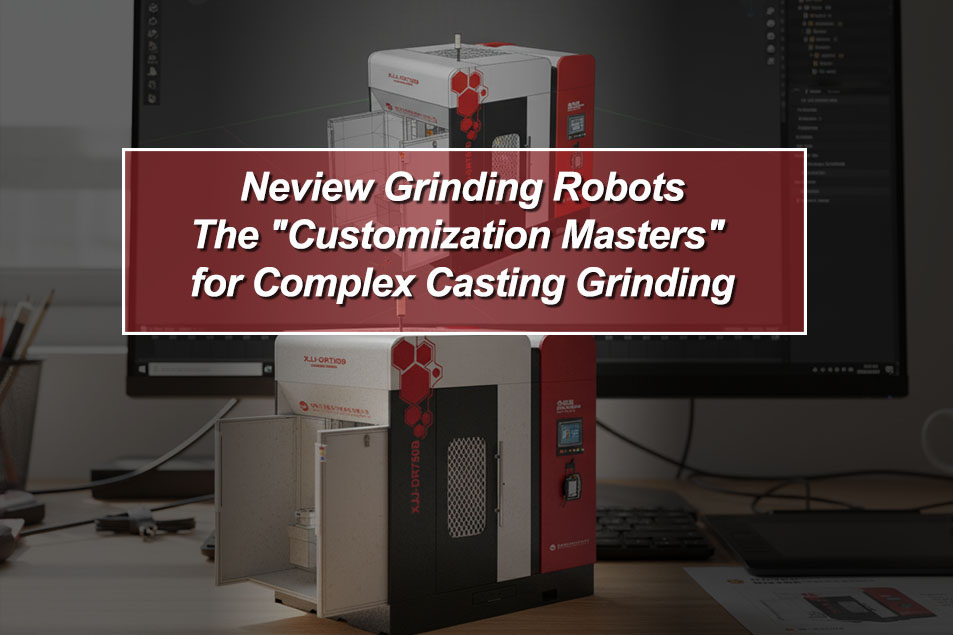
Among the emerging solutions in this field, NEVIEW grinding robots are becoming an important option for foundries seeking automation upgrades.
The Growing Limitations of Manual Grinding
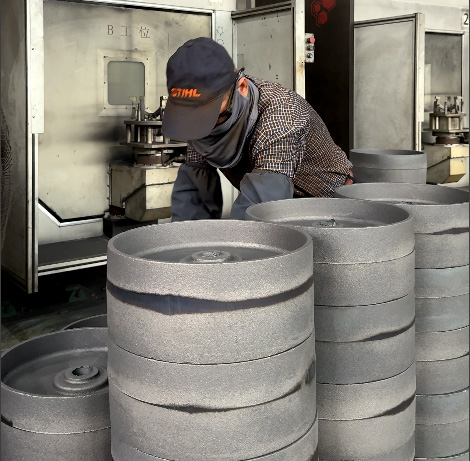
Traditional grinding typically involves workers using handheld grinders or abrasive tools to remove excess material from castings.
Although flexible, this method presents several structural problems.
Labor Shortage
Grinding jobs often involve dust, noise, and physically demanding work. As a result, many manufacturers face increasing difficulty recruiting and retaining skilled workers.
High turnover rates and long training cycles further complicate workforce management.
Limited Productivity Growth
Manual grinding efficiency depends heavily on individual skill and experience.
As production volumes increase, this variability makes it difficult to maintain consistent throughput.
Fatigue, shift changes, and operator differences all contribute to fluctuating productivity levels.
Inconsistent Surface Quality
For industries such as automotive, heavy machinery, and industrial equipment, surface finishing quality has become increasingly critical.
Manual grinding often results in:
inconsistent material removal
varying surface roughness
occasional over-grinding or under-grinding
Even experienced operators cannot maintain identical results over long working hours.
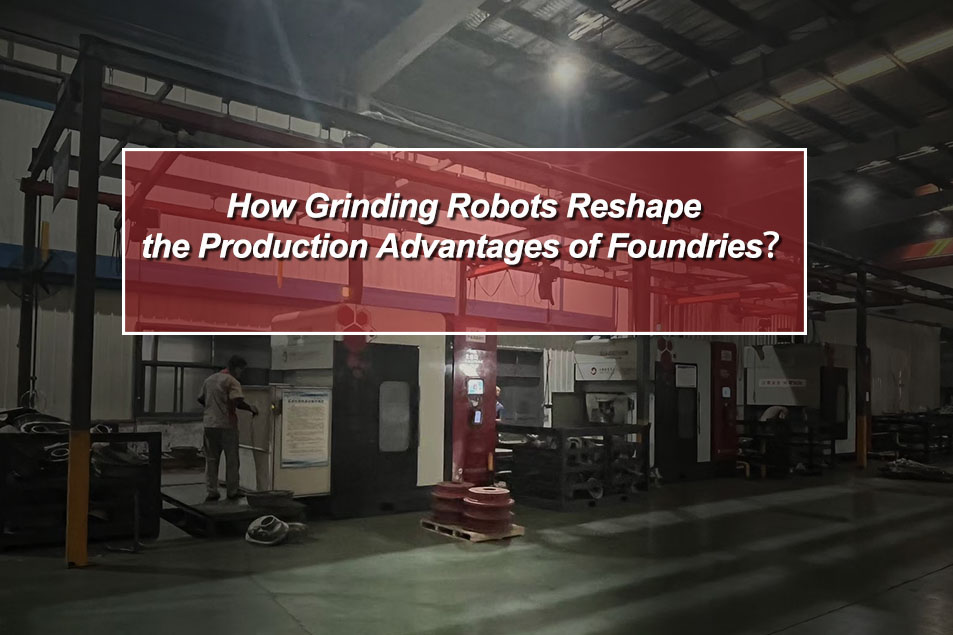
How Robotic Grinding Is Transforming Foundry Operations
Industrial robots have been used in manufacturing for decades, but robotic grinding technology has matured significantly in recent years.
Compared with manual grinding, robotic systems provide several advantages.
Consistent Processing Quality
Robots operate based on predefined paths and parameters.
This ensures that every casting is processed with the same trajectory, pressure, and timing.
Consistency becomes significantly easier to maintain in mass production.
Higher Production Efficiency
Robotic grinding systems can operate continuously with predictable cycle times.
With automated loading systems, a single robotic cell can often replace multiple manual grinding stations while maintaining stable productivity.
Improved Workplace Environment
Grinding operations generate substantial dust and noise.
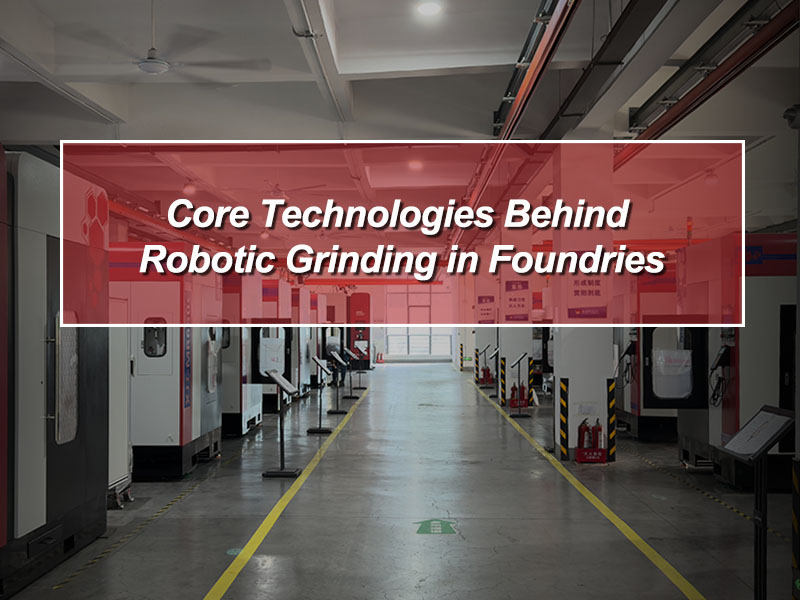
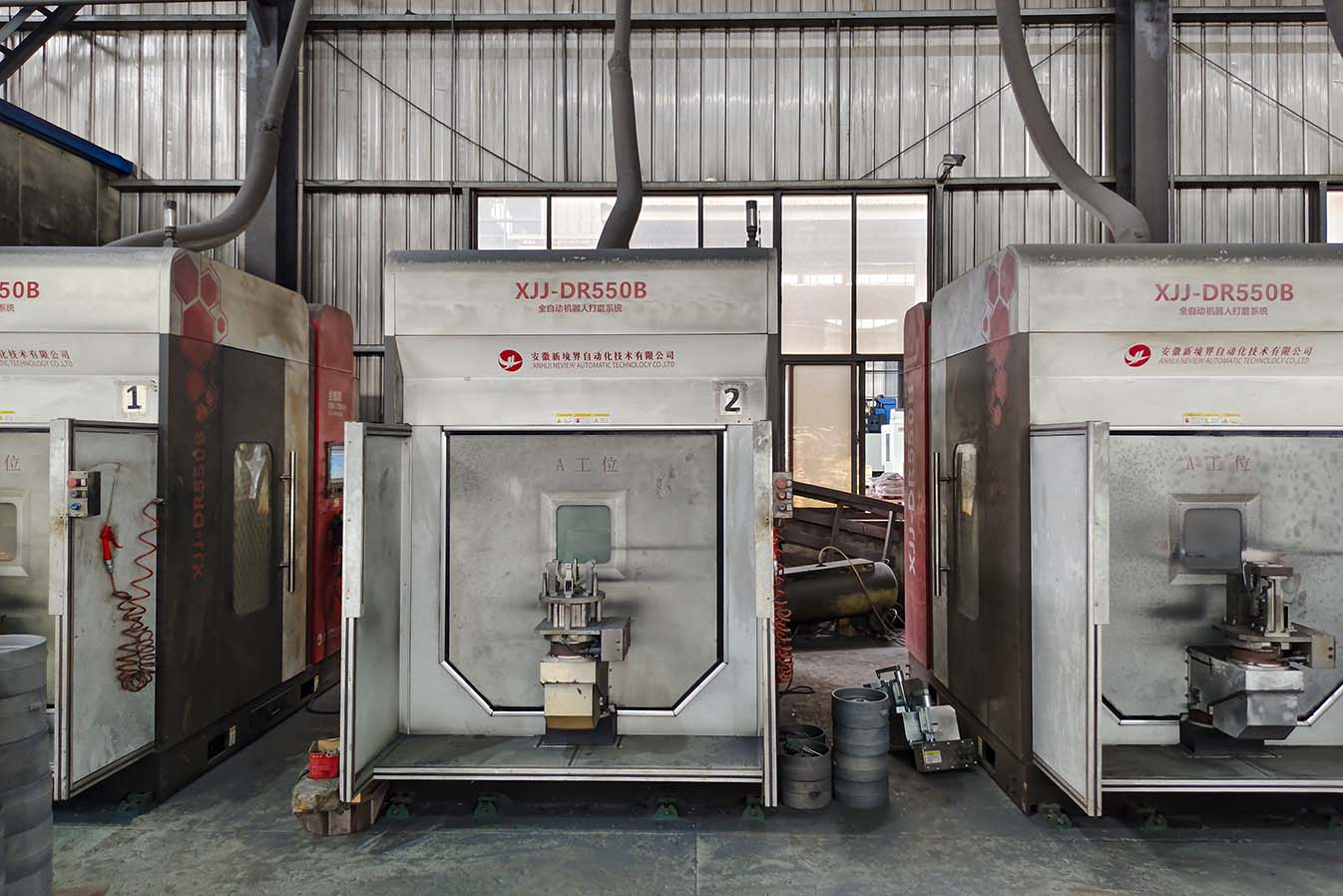
Robotic cells typically incorporate enclosed grinding units and dust collection systems, which greatly improve the workshop environment and reduce worker exposure.
Why Foundries Choose NEVIEW Grinding Robots
In robotic grinding applications, the key factor is not just the robot itself, but the complete process solution.
NEVIEW’s extensive experience in casting finishing allows its systems to better handle complex foundry components.
Foundry-Focused System Design
NEVIEW grinding systems are designed specifically for casting applications, taking into account:
complex casting geometries
production batch variations
high-force grinding requirements
High-Rigidity Grinding Architecture
Grinding castings often requires significant contact force. NEVIEW systems are engineered with high structural rigidity to maintain stable machining performance.
Multi-Axis Coordinated Motion
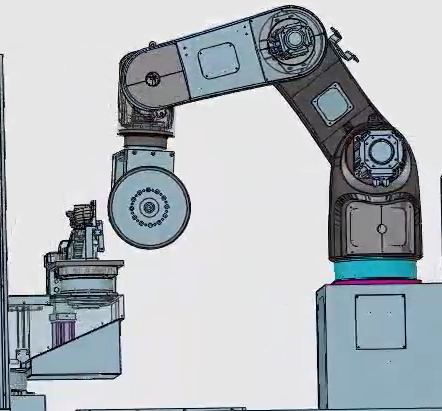
For complex surfaces, NEVIEW systems utilize multi-axis coordinated control to ensure precise and stable grinding across difficult geometries.
This capability is particularly valuable for automotive castings, valve components, and heavy machinery parts.
Conclusion
The foundry industry is undergoing a quiet transformation.
As automation continues to expand, robotic grinding is rapidly becoming an essential component of modern casting production.
For manufacturers seeking higher efficiency, consistent quality, and reduced labor dependency, robotic grinding represents not just a technological upgrade—but a strategic investment in long-term competitiveness.
NEVIEW continues to provide advanced robotic grinding solutions designed specifically for foundry applications.
Read More




 IPv6 network supported