Jul 07, 2026
Conquering the Toughest Foundry Challenge: Why Automated Grinding is the Future
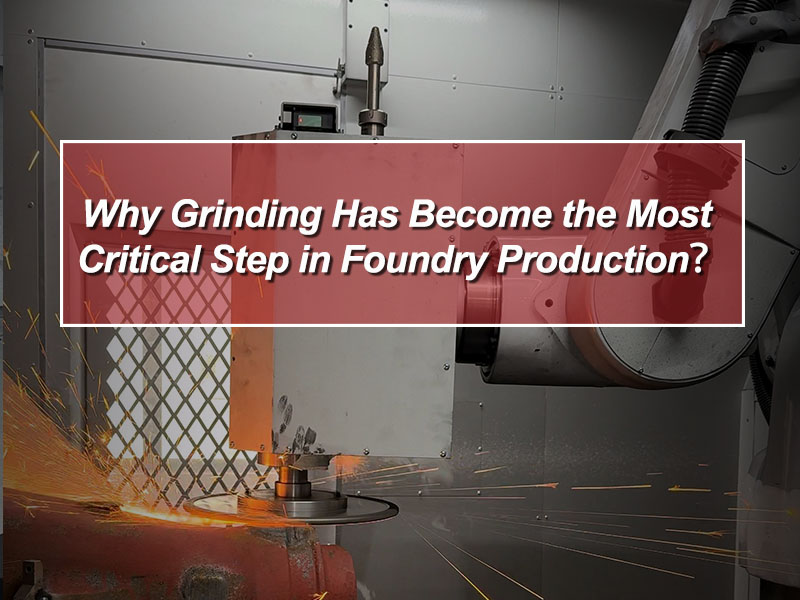
In the modern foundry supply chain, the cleaning and finishing shop has long been considered the ultimate bottleneck of the entire facility's production capacity. Traditional casting deburring, cleaning, and grinding processes rely heavily on intensive manual labor. This conventional approach not only saddles factories with heavy management costs but also exposes fatal weaknesses in fierce global competition. The harsh environments characterized by high dust, high noise, and high vibrations drive younger workers away, making recruitment difficulties and high turnover rates an ongoing norm. Meanwhile, manual grinding is highly susceptible to physical fatigue and emotional variance, resulting in poor product consistency and stubbornly high scrap rates.
With the seamless advancement of global Industry 4.0 and smart manufacturing, grinding robots are becoming the standard weapon for leading foundries worldwide to break this deadlock. Compared to traditional manual labor, automated grinding systems offer unparalleled long-term strategic advantages:
Ultimate Surface Consistency and Quality Stability: With manual grinding, the pressure and angle applied in the 1st hour differ drastically from those in the 8th hour. Conversely, grinding robots operate strictly according to digitally preset trajectories and parameters, ensuring that the removal of flashes and burrs on every single casting achieves 100% identical quality, perfectly satisfying stringent quality inspection standards.
Significantly Enhanced Safety and Regulatory Compliance: The massive amount of metal dust released during grinding is a primary cause of pneumoconiosis, and severe vibrations cause chronic occupational diseases among workers. Transitioning workers from these high-risk environments into roles as robot operators and supervisors significantly mitigates corporate legal and medical risks while dramatically lowering employee turnover.
24/7 High-Efficiency Continuous Production with Shorter Lead Times: Robots do not experience fatigue, require sick leave, or suffer from shift-change lag; they can operate around the clock without interruption. When facing urgent orders from international clients, an automated grinding line can drastically compress delivery lead times, providing dependable delivery commitments.
For foundries aiming to sustain long-term competitiveness in today's cutthroat market landscape, integrating casting grinding robots is no longer an optional choice—it is a critical matter of corporate survival. Facilities that embrace automation earlier will be the first to capture the dividends of high-end manufacturing.
Read More




 IPv6 network supported