inquiry
Leave A Message
If you are interested in our products and want to know more details,please leave a message here,we will reply you as soon as we can.
submit
Home

foundry grinding automation

foundry grinding automation

  • Robotic Grinding vs Manual Grinding: A Real Comparison of Efficiency and Cost
    Robotic Grinding vs Manual Grinding: A Real Comparison of Efficiency and Cost
    Mar 20, 2026
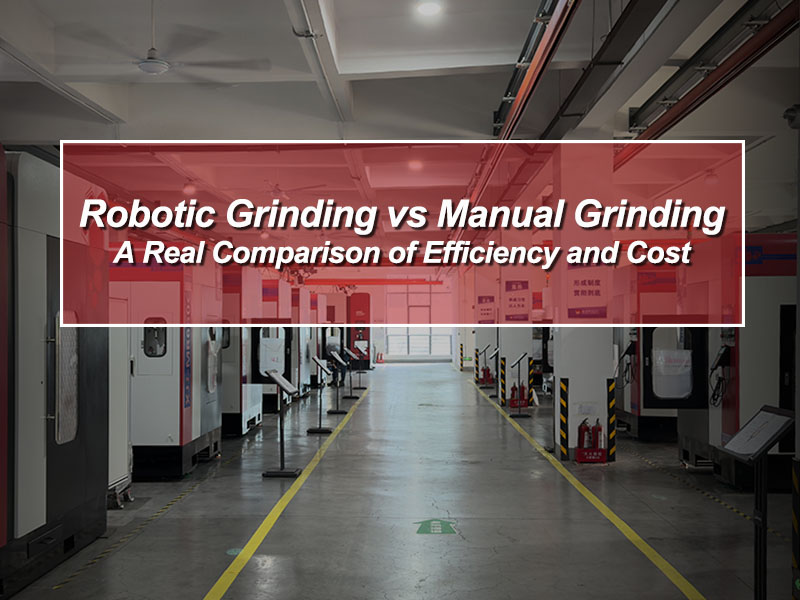
    Robotic Grinding vs Manual Grinding: A Real Comparison of Efficiency and Cost   Grinding is a critical step in the casting finishing process. Traditionally, most foundries rely on manual grinding, but this approach is increasingly facing limitations in efficiency, cost, and quality stability. One major difference between manual and robotic grinding is productivity. Manual grinding efficiency depends heavily on individual skill and fatigue levels. In contrast, robotic grinding systems operate continuously with stable cycle times. In many foundries, a single robotic cell can replace multiple manual grinding stations. Another key factor is quality consistency. Manual grinding often leads to variation due to differences in operator technique. Robotic systems follow predefined paths and maintain constant pressure and speed, ensuring uniform results across large production batches. The third factor is long-term operating cost. While manual grinding may require lower initial investment, labor costs, training expenses, and employee turnover significantly increase operational costs over time. Robotic grinding systems typically provide better cost efficiency during long-term production. Additionally, robotic grinding improves workplace conditions by reducing worker exposure to dust and noise. NEVIEW grinding robots are specifically designed for casting applications. With high structural rigidity and stable grinding control, they help foundries achieve higher productivity and consistent finishing quality. As manufacturing automation advances, robotic grinding is rapidly becoming a standard solution in modern foundries.
    Read More

  • Why More Foundries Are Replacing Manual Grinding with Robots
    Why More Foundries Are Replacing Manual Grinding with Robots
    Mar 01, 2026
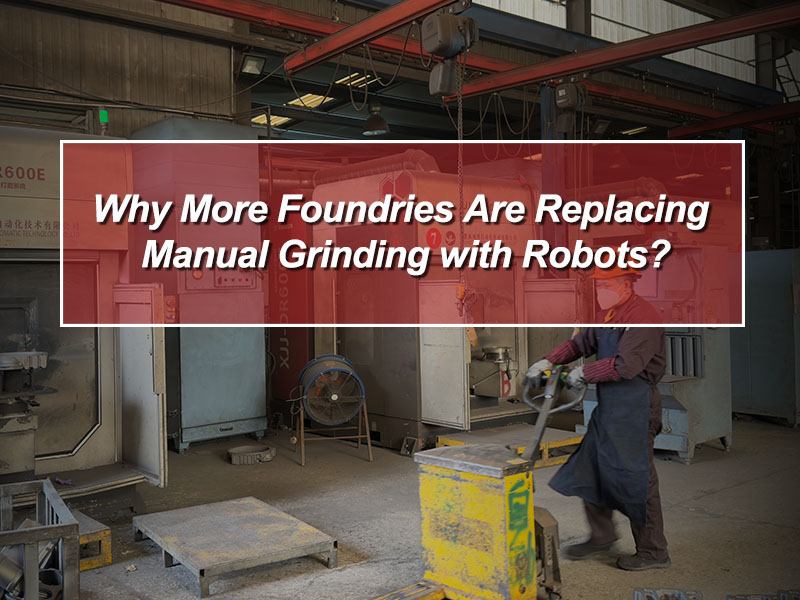
    Why More Foundries Are Replacing Manual Grinding with Robots Grinding has long been one of the most difficult processes to standardize in the foundry industry. It relies heavily on operator experience, yet has a decisive impact on final surface quality. The biggest weakness of manual grinding is not speed — it is inconsistency. Different operators and shifts produce different results, leading to high rework rates and unstable downstream processes. Labor cost is no longer a controllable advantage. Skilled grinders are difficult to recruit and retain. Once personnel change, production stability is immediately affected. Health, safety, and environmental pressure continue to increase. Dust, noise, and repetitive heavy labor make grinding one of the highest-risk operations in a foundry. This is why robotic grinding is becoming a strategic upgrade. NEVIEW robotic grinding systems integrate six-axis industrial robots, constant-force control, flexible tooling, and process databases to deliver: Repeatable grinding paths Consistent surface quality 24/7 stable operation Traceable and optimizable process parameters For foundries, this is not just automation — it is the industrialization of grinding quality.
    Read More

leave a message

leave a message
If you are interested in our products and want to know more details,please leave a message here,we will reply you as soon as we can.
submit
Contact Us: judy@ahxjj.cn

home

products

WhatsApp

Contact Us